RINGS
Diamond Engagement Rings
Dress Rings & Vintage Rings
Emerald Rings
Eternity Rings
Sapphire Rings
Ruby Rings
Opal Rings
Amethyst Rings
Aquamarine Rings
Tourmaline Rings
Antique Claddagh Rings


€2750
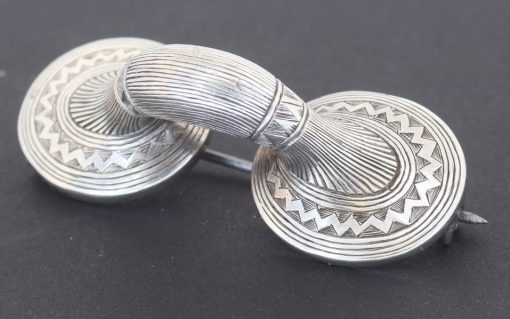
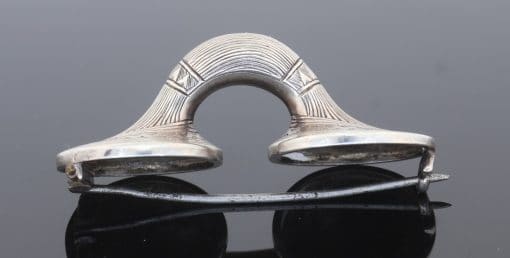
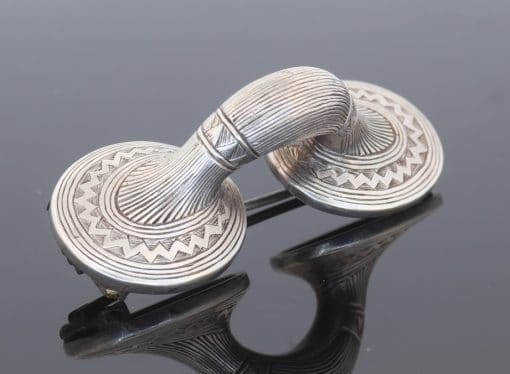
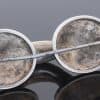
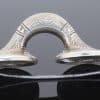
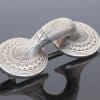
This extremely rare antique Irish silver fibula brooch dates to the mid-19th century and is a particularly fine example of the early Celtic Revival in Irish jewellery. During this period, Irish craftsmen and jewellers looked to Ireland’s medieval artistic heritage for inspiration, reviving ancient forms and decorative traditions in silver and other precious materials.
The fibula form itself draws upon ancient and medieval Irish and Celtic jewellery, while the hand engraving gives this piece the unmistakable character of a nineteenth-century revival jewel. Examples of early Celtic Revival jewellery are highly sought after, particularly those retaining their original form and craftsmanship.
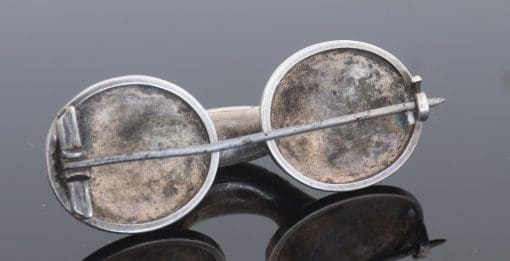
The brooch is an elegant fibula-form jewel, measuring just over 5cm in length and weighing approximately 21 grams. Its elongated form gives it a graceful presence when worn, while the carefully executed hand engraving provides much of its decorative appeal.
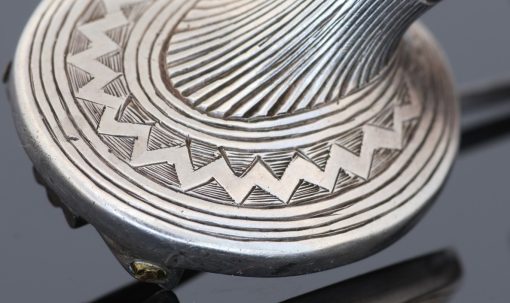
The engraving is a particularly important feature, reflecting the revivalist fascination with historic Irish ornament. Rather than simply copying an ancient object, Celtic Revival jewellery reinterpreted historical forms for contemporary nineteenth-century wear, creating pieces that were both fashionable jewellery and expressions of Ireland’s artistic heritage.
At just over 5cm long, this is a substantial and visually distinctive brooch, particularly suited to being worn prominently on a jacket, coat, cloak or heavy fabric. Its elongated fibula form gives it an elegant silhouette, while the hand engraving adds considerable detail when viewed closely.
For the collector, its greatest appeal lies in the combination of Irish origin, mid-19th-century date, fibula form and early Celtic Revival character. It is an unusually rare example of a style that would become increasingly important in Irish jewellery and decorative arts.
| Country of Origin | Ireland |
|---|---|
| Item | Brooch |
| Metal | Silver |
| Period | 19th century |

Brooches

Art Deco Jewellery

Brooches

Brooches

Brooches

Bracelets

Brooches

Sapphire Rings